

Understanding Responsible Gambling Practices
Engaging with gambling activities requires a mindful approach, prioritizing well-being and financial stability. Responsible gambling is not merely about limiting losses, but about fostering an environment where entertainment remains paramount. This involves setting clear financial boundaries before participating, treating gambling as a leisure expense rather than a means to generate income, and recognizing the inherent risks involved in all games of chance. It’s crucial to understand that the house always holds an advantage, and relying on luck for financial gain is an unsustainable strategy. For those interested in exploring different gaming avenues, understanding the offerings at a place like casino magius uk can be part of a broader exploration of entertainment options.
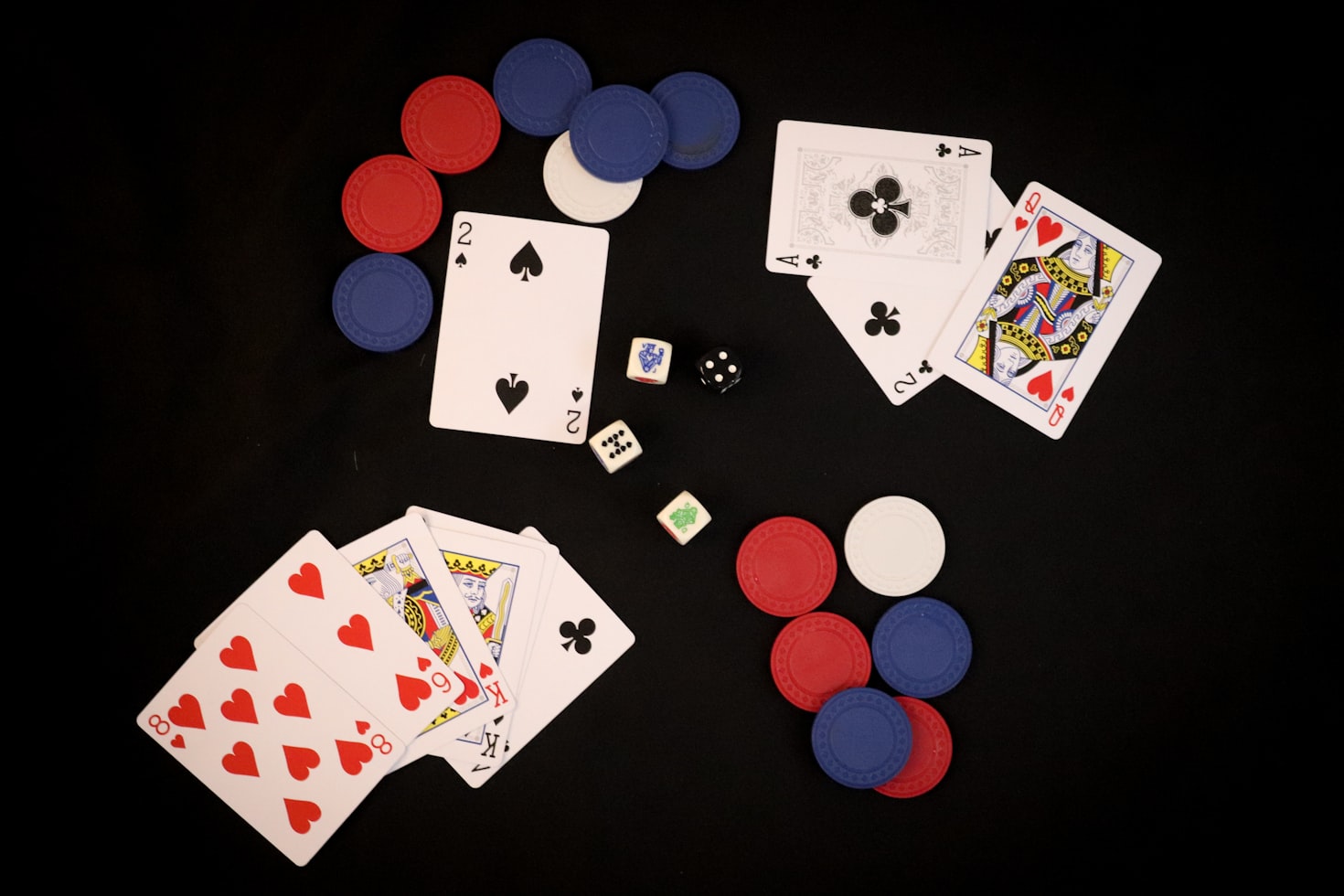
Furthermore, responsible gambling extends to understanding the psychological aspects of play. Recognizing the signs of problematic gambling behavior in oneself or others is a vital step towards prevention. This includes chasing losses, experiencing irritability when not gambling, or neglecting personal responsibilities. Organizations dedicated to supporting individuals with challenges like muscular dystrophy often emphasize the importance of a healthy and balanced lifestyle, where gambling, if indulged in, is a minor and controlled aspect, never overshadowing essential health and social needs.
Developing Strategic Play for Entertainment
While gambling inherently involves chance, certain approaches can enhance the entertainment value and potentially improve outcomes within responsible limits. For those who choose to participate, understanding the rules and strategies of different games is key. This isn’t about guaranteeing wins, but about making informed decisions that align with the game’s mechanics. For example, in games of skill like certain card games, a deeper understanding of probability and opponent behavior can refine the experience. However, it’s important to distinguish between strategic play for enjoyment and attempts to overcome inherent statistical disadvantages.
The focus should always remain on the enjoyment derived from the game itself, rather than solely on the potential for financial reward. Approaching gambling with a mindset of entertainment, similar to attending a show or playing a sport, allows for a more positive and less stressful experience. This aligns with the broader goals of organizations supporting individuals with disabilities, which aim to promote a fulfilling life with diverse recreational opportunities, ensuring that any engagement with activities like gambling is healthy and does not compromise overall quality of life.
The Role of Self-Control and Awareness
Self-control is the cornerstone of any healthy approach to gambling. This involves the ability to stick to pre-determined limits, both in terms of time spent playing and money wagered. Recognizing that losses are a natural part of gambling and that winning streaks are not guaranteed is essential for maintaining emotional equilibrium. Cultivating an awareness of one’s own emotional state and avoiding gambling when feeling stressed, upset, or under the influence of substances is a critical component of responsible engagement.
For individuals facing the significant challenges associated with conditions like muscular dystrophy, maintaining a strong sense of self-control in all areas of life is often a priority. This resilience and discipline can translate to responsible choices in recreational activities. The emphasis remains on ensuring that any form of entertainment, including gambling, contributes positively to an individual’s life without creating additional burdens or risks, and that support systems are in place to help maintain this balance.
Setting Financial Boundaries and Limits
Establishing firm financial boundaries is perhaps the most critical element of responsible gambling. This means deciding in advance how much money can be allocated for gambling purposes, treating this amount as disposable income that can be lost without impacting essential living expenses, savings, or financial obligations. It is advisable to set a budget for each gambling session and to strictly adhere to it, walking away once the limit is reached, regardless of any perceived “near misses” or a desire to recoup losses.
Many platforms and resources are available to help individuals manage their gambling spending. These can include setting deposit limits, session time limits, or even self-exclusion options. These tools are designed to support players in maintaining control and preventing potential harm. For organizations like MAGIUS, which are dedicated to the well-being of individuals with muscular dystrophy, promoting awareness of such tools and responsible financial management is part of a holistic approach to supporting their community’s overall health and stability.
MAGIUS and the Importance of Balanced Recreation
While MAGIUS is dedicated to supporting individuals with muscular dystrophy, focusing on their health, well-being, and access to resources, the broader principle of balanced recreation applies universally. For any individual, including those within the MAGIUS community, engaging in activities that bring enjoyment is a valuable part of life. The key is ensuring that these activities are pursued responsibly and do not detract from essential health needs, therapeutic routines, or financial security.
MAGIUS champions a holistic approach to life, where individuals are empowered to pursue their interests and hobbies in a manner that is safe and beneficial. This includes an understanding that any form of leisure activity, including gambling if chosen, should be approached with caution and within strict personal limits. The organization’s commitment to its community underscores the importance of informed choices and the availability of support systems that promote overall well-being, ensuring that entertainment remains a positive contributor to life, not a source of detriment.